
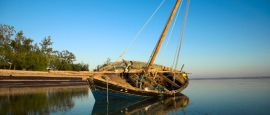

The Bazaruto Archipelago consists of six islands off Mozambique's southern coast, surrounded by coral reefs, turquoise waters and white-sand beaches. The protected marine park is known for diving, snorkelling, sailing and sport fishing, while dugongs, dolphins, turtles and whale sharks are among the marine species found in the area.
Book and Go

Latest features
Mozambique things to see and do
Bazaruto Archipelago
Gorongosa National Park
Gorongosa National Park has become one of Africa's leading wildlife restoration success stories following decades of conservation work. Elephants, lions, wild dogs, hippos and numerous antelope species inhabit the park's floodplains, forests and savannas. Game drives, guided walks and birdwatching are available throughout much of the year.
Ilha de Moçambique
Ilha de Moçambique is a UNESCO World Heritage Site and served as the capital of Portuguese East Africa for more than four centuries. Fort São Sebastião, the Chapel of Nossa Senhora de Baluarte and centuries-old stone buildings reflect African, Arab, Indian and European influences. The island remains one of the country's most important historical and cultural destinations.
Lower Zambezi Valley
The Zambezi River crosses central Mozambique before entering the Indian Ocean, creating floodplains, wetlands and fertile farmland along its lower reaches. Boat trips, birdwatching and fishing are popular activities, while the river has shaped local communities and agriculture for centuries.
Maputo
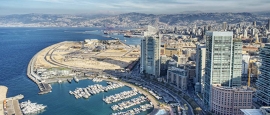
Maputo, Mozambique's capital, is known for its broad avenues, lively markets and architecture reflecting Portuguese colonial and post-independence influences. Highlights include the Central Railway Station, Municipal Market, Independence Square and the waterfront along Maputo Bay. The city's restaurants are particularly renowned for fresh seafood and peri-peri cuisine.
Mount Namuli
Mount Namuli rises to 2,419m (7,936ft) in northern Mozambique and is the country's second-highest peak. Its forests and high-altitude grasslands contain many endemic plant and animal species, making it an important destination for hikers, birdwatchers and nature enthusiasts.
Niassa Special Reserve
Niassa Special Reserve protects one of Africa's largest wilderness areas, covering forests, rivers and open woodland in northern Mozambique. The reserve supports elephants, lions, leopards, African wild dogs and more than 400 bird species. Its remote location provides a safari experience with relatively few visitors.
Pemba
Pemba is the gateway to the Quirimbas Archipelago. Palm-fringed beaches, traditional dhow boats and nearby coral reefs make it a popular base for diving and snorkelling. Despite the security situation in parts of Cabo Delgado Province, Pemba remains the principal base for exploring northern Mozambique.
Ponta do Ouro
Ponta do Ouro lies near the South African border and is known for long sandy beaches, surfing and diving. The surrounding waters form part of the Lubombo Transfrontier Marine Protected Area, where dolphins, turtles and seasonal humpback whales are regularly seen. The town is also a popular destination for deep-sea fishing and marine excursions.
Quirimbas Archipelago
The Quirimbas Archipelago stretches across more than 30 coral islands off northern Mozambique. Remote beaches, mangrove forests and coral reefs attract divers, snorkellers and sailors, while several islands preserve Swahili settlements dating back centuries. Quirimbas National Park protects both the marine environment and part of the mainland coast.
Surfing and kitesurfing
Mozambique's Indian Ocean coastline offers excellent conditions for surfing and kitesurfing, particularly around Ponta do Ouro, Tofo, Vilankulo and the Bazaruto Archipelago. Consistent winds, warm water and long sandy beaches attract both beginners and experienced watersports enthusiasts throughout much of the year.
Tofo Beach
Tofo Beach has earned an international reputation for diving and marine life. Whale sharks, manta rays and humpback whales can often be seen in the surrounding waters, while the town has developed into a relaxed destination with dive centres, cafés and beach accommodation.
Do you have any Feedback about this page?
© 2026 Columbus Travel Media Ltd. All rights reserved. No part of this site may be reproduced without our written permission, click here for information on Columbus Content Solutions.



 You know where